First-Time Buyer
First-Time Buyer Pre-Approval & Down Payment Tips: Central Alberta
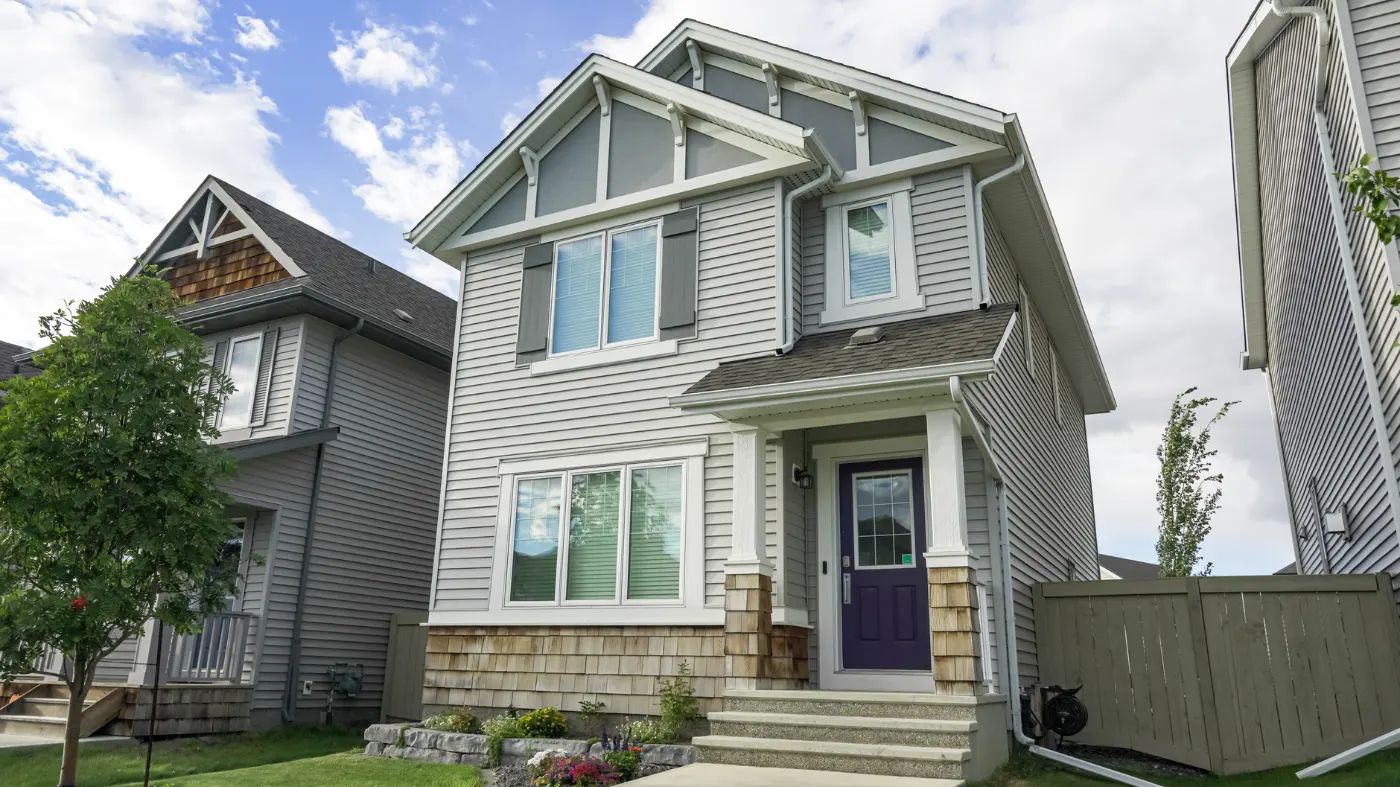
A first-time buyer pre-approval in Central Alberta needs four things in order before you apply: documented income, a credit score lenders accept, debt ratios that pass the stress test, and a down payment you can trace. Get those right before you shop in Olds, Red Deer or Innisfail, and your offer rests on a verified budget rather than an estimate.
Saving the down payment is often the harder part. CMHC's 2025 Mortgage Consumer Survey found that financial gifts averaging $74,570 help many first-time buyers with their down payment, but 80% of those buyers said they could have purchased without the gift, with some compromises. Most buyers need a clear plan more than a gift. Here it is, step by step.
What First-Time Buyers in Central Alberta Need Before Applying
Getting pre-approved for a mortgage starts well before you submit an application. The fastest files are the ones where the documents are organised and the down payment is in place before anyone talks rates.
The Documents You Need
Lenders will want two years of T4 slips or Notices of Assessment from the CRA, your two most recent pay stubs, three months of bank statements showing your down payment, a void cheque, and government-issued photo ID. If you're self-employed or paid by commission, expect to provide two years of full T1 General returns with their Notices of Assessment. I recommend pulling this together before your first call, so nobody is chasing paper when a good property comes up.
Your Credit Score and Debt Ratios
For an insured mortgage, CMHC's purchase program requires at least one borrower to have a credit score of 600 or higher, and many lenders set their own higher thresholds for their best rates. More importantly, every lender applies the stress test: you must qualify at the higher of your contract rate plus 2% or 5.25%, the minimum qualifying rate set by OSFI, and CMHC uses the same rate for insured mortgages. For insured mortgages, CMHC's qualifying requirements cap your Gross Debt Service ratio at 39% and your Total Debt Service ratio at 44% of gross household income. These are the numbers that determine your maximum purchase price, not just your rate.
Down Payment Sources Lenders Accept
Lenders in Canada accept down payment funds from your own savings, FHSAs, RRSP Home Buyers' Plan withdrawals, a documented gift from an immediate family member, or proceeds from the sale of another property. What they don't accept without extensive documentation is cash that suddenly appeared in your account 90 days ago. Every dollar of your down payment needs a paper trail. Files often stall at approval not because the buyer is short on money, but because the source of the money isn't documented.
Through my first-time homebuyer mortgage service, I have access to 40+ lenders, including banks, credit unions and monoline lenders, and their policies on gifted funds and income types differ.
How to Get Your Pre-Approval and Build Your Down Payment: Step by Step
Here is the sequence, from first account to submitted application.
- Open your FHSA immediately if you haven't already. According to the Canada Revenue Agency, the First Home Savings Account allows $8,000 in annual tax-deductible contributions to a $40,000 lifetime maximum, with qualifying withdrawals completely tax-free. Contribution room starts building in the year you open the account, so even if you can't fund it right now, open it. The deduction is worth more the higher your tax bracket. How the FHSA and the Home Buyers' Plan work together is covered in this guide to first-time buyer programs and savings accounts in Alberta.
- Stack your FHSA with the RRSP Home Buyers' Plan. The Canada Revenue Agency's Home Buyers' Plan allows first-time buyers to withdraw up to $60,000 tax-free from their RRSP (increased from $35,000 as of Budget 2024), repayable over 15 years. Both can be used on the same purchase.
- Understand your CMHC insurance cost before you shop. CMHC's premium table sets premiums from 4.00% of the mortgage amount at 5% down to 2.80% at 15% down. On a $450,000 purchase with 5% down, that's approximately $17,100 added to your mortgage. Knowing this number upfront lets you decide whether to save a bit longer or enter the market now and build equity.
- Pull your credit reports from both Equifax and TransUnion. Do this at least 60 days before applying so you have time to correct any errors. Paying down credit card and line of credit balances before you apply can also help your score.
- Submit your full pre-approval application. Pre-approvals are typically turned around in under 24 hours. A real pre-approval, not just a pre-qualification estimate, means the lender has actually reviewed your file. A pre-approval in hand lets you act quickly when the right listing appears, which matters in a smaller market like Olds.
Run purchase scenarios at different down payment levels through the mortgage payment calculator before you apply.
Which Mistakes Are Specific to Buying in Central Alberta?
Two mistakes come up more often when buying in Central Alberta: underestimating closing costs and assuming a town pre-approval covers a rural property. The general pre-approval traps, such as treating a rate hold as an approval or taking on new debt before closing, are covered in this guide to pre-approval mistakes first-time buyers make.
Mistake 1: Forgetting Closing Costs
Many buyers plan the down payment carefully and overlook the cash needed on closing day itself. CMHC suggests budgeting closing costs of 1.5% to 4% of the purchase price on top of your down payment; in Alberta that covers legal fees, land titles registration fees, title insurance, a home inspection and property tax adjustments. On a $450,000 home, that's $6,750 to $18,000 in additional cash you need on hand. I recommend getting a full closing cost estimate before you start shopping, not as a surprise at the end.
Mistake 2: Ignoring Rural Property Differences
Acreage and rural properties come with financing requirements that differ significantly from urban homes. Wells, septic systems, and property size all affect which lenders will touch the file and at what terms. If you're looking at anything outside town limits, make sure your broker has rural financing experience. I specialize in rural financing for acreages, hobby farms and properties on wells and septic, and with access to 40+ lenders I can match a rural property to a lender that will consider it.
When your documents are ready, you can apply for a mortgage pre-approval; pre-approvals are typically turned around in under 24 hours.
Conclusion
Getting your first home in Central Alberta, whether that's in Olds, Red Deer, Innisfail, or a property out on an acreage, is absolutely achievable with the right plan. Start your FHSA early, understand your stress-test numbers, know your closing costs, and get a real pre-approval before you shop. Relocating from another province? This pre-approval checklist for moving to Olds covers job letters and moving your down payment.
For a clear answer on what you can afford and which lenders suit your file, send me your documents and goals and we'll build your plan together. My services are free to borrowers; the lender pays at closing.