
Rural Financing
Alberta Acreage Mortgages: Down Payment, Land and Lender Rules
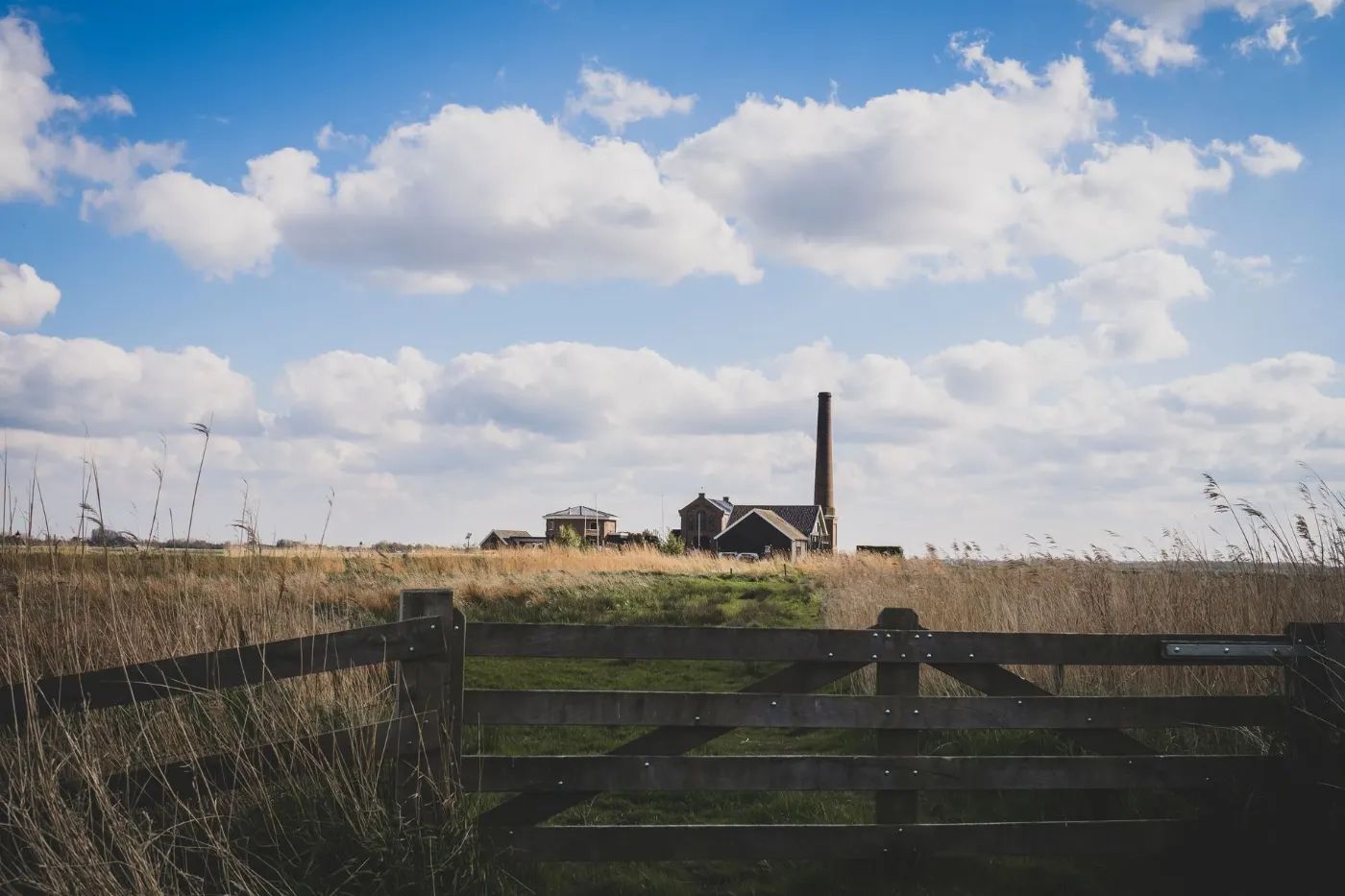
Buying an acreage in Alberta with a mortgage works much like buying in town, with one big difference: the lender sizes the loan against the house, the yard site and a limited amount of land, not everything you pay for. That gap, plus well, septic and appraisal conditions, decides how much cash you need on a hobby farm off Highway 27 or a larger parcel near Didsbury or Sundre.
Lender appetite for acreages varies by acreage size, zoning, well and septic setup, and whether the property generates any farm income. This guide covers the down payment, how much land and how many outbuildings lenders will count, and the well, septic and appraisal checks that come before approval.
What Is an Acreage Mortgage and How Is It Different?
An acreage mortgage is a residential mortgage applied to rural land, typically with a house, that falls outside the standard lot-size parameters most lenders use for urban properties. If you're buying a property near Olds with a dwelling, a private well, a septic system, and five or more acres, you are almost certainly shopping for an acreage mortgage, not a standard town-lot mortgage. The distinction matters because lender rules, down payment requirements, and insurer eligibility all shift the moment you step outside town limits. Vacant land with no house is a different loan again; see how bare land financing works near Olds.
Why lenders treat acreages differently
The core issue is liquidity risk. Lenders want to know that if they ever had to foreclose, they could sell the property without taking a loss. A rural acreage near Olds with a private well, an older septic field, and agricultural zoning has a narrower buyer pool than a bungalow in town. That perceived risk drives the stricter conditions you encounter when financing rural land.
Many lenders limit the lending value to the house, the garage, the services and a set amount of land, and how many acres they will count varies from lender to lender. Credit unions and rural-focused lenders are often more flexible on land than the big banks. That means if you buy a $900,000 acreage property that includes a shop and extra pasture, the number your lender actually lends against could be significantly lower than the purchase price.
Outbuildings are not a given
A heated shop, a barn, a riding arena or a second residence can add real money to the purchase price and little or nothing to the lending value. Some lenders will count part of a shop that is residential in character; others exclude it entirely. Equipment and livestock are not part of a mortgage valuation.
Country residential versus agricultural zoning
Zoning is one of the most overlooked factors. "Country residential" zoning, which is common on smaller acreages near Olds, Didsbury, and Carstairs, typically qualifies for standard residential mortgage products as long as there is no active farming operation. Agricultural or farm zoning triggers a different review entirely, with lenders assessing income potential, soil class, and sometimes the borrower's farming experience. The intended use of the land, residential living or active farming, determines which type of loan product applies and how lenders assess income. Land that will be farmed for income moves into farm lending, covered in our guide to financing working farms and agricultural land.
The bottom line: know your zoning before you write an offer. A pre-approval for a town home does not transfer automatically to a 20-acre property, and that assumption can sink a deal at the financing condition stage. I recommend getting a rural-specific pre-approval before you're under time pressure.
How Does Acreage Financing Work for Alberta Buyers?
Financing an Alberta acreage runs in the same general sequence as any mortgage, but with several additional checkpoints that can slow things down if you're not prepared. Here is the sequence.
Step 1: Determine your down payment reality
When an acreage qualifies for mortgage loan insurance, the minimum down payment is the same as on any home: 5% of the first $500,000 and 10% of the portion from $500,000 up to $1.5 million, while homes priced at $1.5 million or more need at least 20% down because insurance is not available, according to CMHC (2025). On a $650,000 acreage, that works out to $25,000 on the first $500,000 plus $15,000 on the next $150,000, or $40,000 in total.
Insured financing also has property limits. CMHC's purchase program fact sheet requires the home to be intended for owner occupancy, suitable for full-time, year-round occupancy and reachable year-round, with a purchase price or lending value below $1.5 million. Once a property reads as more than a home on acreage (a large parcel, a second dwelling, significant outbuildings or real farm income), many lenders will only finance it as a conventional mortgage, which means at least 20% down, and some ask for more on rural properties.
The mortgage is also sized against the lending value, not the purchase price. If you pay $700,000 for a property a lender values at $600,000 for mortgage purposes, you need the down payment on the $600,000 plus the full $100,000 difference.
Step 2: Well and septic due diligence
Well and septic conditions are a common reason rural deals stall. Many lenders ask for a water potability test and a well flow test showing the well produces enough water for a household, plus a septic inspection confirming the system works. Some lenders are reluctant to finance a property that relies on a cistern and hauled water, so confirm the water source early. These checks protect you as much as the lender. Build them into your offer conditions and budget time accordingly; this rural buyer's due-diligence checklist covers how to order the tests and write the conditions.
Step 3: Appraisal and lender matching
Not every lender will appraise or approve rural properties. Year-round legal access matters, and finding an appraiser comfortable pricing rural property can add days, so allow for it on a tight possession date. As a mortgage planner with access to 40+ lenders, including banks, credit unions, monoline, alternative and private lenders, I can match the property to lenders that work with acreages, while the major banks often have tighter acreage limits. I recommend matching the property to the right lender from the start rather than applying at one lender after another, since each new application can mean another credit check. If you're already holding rural land and thinking about refinancing, explore your options at refinancing for Alberta property owners.
What Are the Most Common Acreage Mortgage Questions?
Here are direct answers to common acreage mortgage questions, from properties just outside Olds to hobby farms near Rocky Mountain House.
Can I use CMHC insurance on a rural acreage?
Yes, in some cases, but with conditions. A private well and septic system do not rule out insured financing, but lenders will want inspections showing the systems are acceptable. The home must also be owner-occupied and priced below $1.5 million, according to CMHC's homeowner insurance criteria. If the property does not qualify, you are looking at conventional financing with at least 20% down. Properties run as working farms are usually financed through agricultural lenders, such as Farm Credit Canada, rather than as residential mortgages.
How much do Alberta farmland values matter to my mortgage?
Indirectly. Farm Credit Canada's 2025 Farmland Values Report found that Alberta farmland values kept climbing in 2025. Farmland trends show where rural land is heading, but an acreage appraisal relies on recent comparable acreage sales. If comparable rural sales in your area are limited, the appraiser may conservatively value your property below purchase price, which directly affects your borrowing amount. Ask about local comparables early so you aren't caught short.
What extra costs should I budget for on an acreage purchase?
Beyond your standard legal, title insurance, and land titles registration fees, Alberta acreage buyers should budget for a water potability test and well flow report, a septic inspection (and potentially a Real Property Report if one is not current), and a rural appraisal, which typically costs more than an urban one. Some lenders also require a survey or an updated survey certificate. I recommend mapping out the full cost picture before you write an offer so nothing is a last-minute surprise. You can also explore my rural financing program for a detailed breakdown of what to expect at each stage of an Alberta acreage purchase.
Does my income type affect my rural mortgage approval?
Absolutely. Energy sector income (shift work, contract, T4 plus allowances), self-employed farm operators, and buyers with seasonal agricultural income all require different documentation strategies. A common mistake is assuming their income looks clear-cut to a lender when it actually needs to be packaged carefully. I also support buyers exploring a self-employed mortgage if farm or business income is part of the picture.
Conclusion
Financing an acreage in Alberta, from Mountain View County to the edge of Calgary, is genuinely different from buying a home in town, and the difference shows up at every stage: the down payment, the lender options, the inspections, and the appraisal. Knowing whether the property qualifies for insured financing, and how much of it a lender will count, is what sets the cash you actually need.
I'm a licensed mortgage planner based in Olds with access to 40+ lenders, and pre-approvals are typically turned around in under 24 hours. If you're thinking about buying an acreage, refinancing one you already own, or just want to know what you'd qualify for, reach out and let's talk through your situation. My services are free to borrowers; the lender pays at closing.